
Bamboo management plan
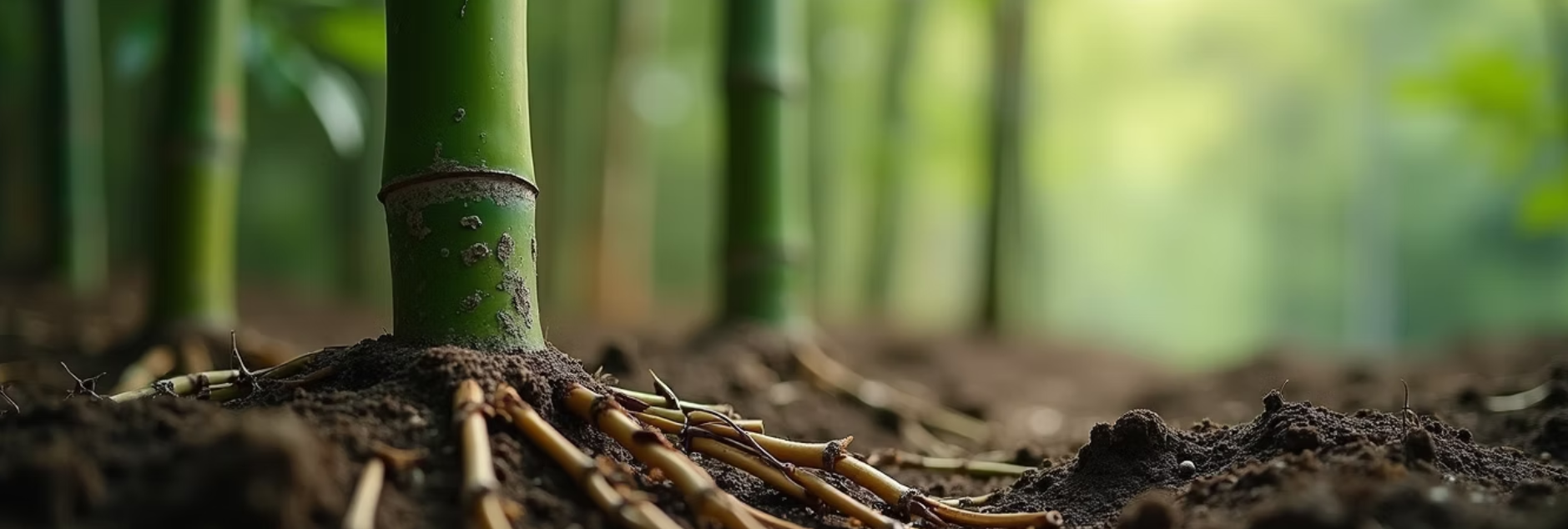
Bamboo rarely arrives as a small gardening issue for long. Once it starts pushing under fences, surfacing through lawns or appearing near patios and outbuildings, it becomes a property management problem. A proper Bamboo management plan is not just about cutting canes back. It is about identifying what is growing, measuring how far it has spread, documenting the risk, and putting in place a treatment programme that protects boundaries, structures and property value.
Bamboo rarely arrives as a small gardening issue for long. Once it starts pushing under fences, surfacing through lawns or appearing near patios and outbuildings, it becomes a property management problem. A proper Bamboo management plan is not just about cutting canes back. It is about identifying what is growing, measuring how far it has spread, documenting the risk, and putting in place a treatment programme that protects boundaries, structures and property value.
That matters because bamboo can be deceptive. Above ground, it may look tidy enough after a quick trim. Below ground, rhizomes can continue travelling laterally into neighbouring land, planting beds, paved areas and service corridors. For homeowners, landlords and property managers, that creates the kind of issue that can lead to disputes, repeat costs and avoidable delays when a property is sold or let.
What a bamboo management plan should actually cover
A credible bamboo management plan needs to do more than say a site will be "treated". It should record the location and extent of visible growth, note likely rhizome spread, assess proximity to built features, and set out the method and timescale for control. If those details are missing, the plan is unlikely to give a property owner much confidence and it may not stand up well when questions are raised later.
In practical terms, the plan should start with a site survey. That survey should include measured observations across the affected area, boundary lines and adjoining risk points, supported by clear photographs and a site map. This creates an evidence base. Without that, it is difficult to show whether the infestation is stable, worsening or encroaching beyond the original area.
The next stage is management strategy. This may involve excavation, root and rhizome removal, ongoing herbicide treatment where appropriate, installation of a root barrier, or a combined approach. The right option depends on the species, the density of growth, access constraints and how close the bamboo sits to structures, neighbouring land and hard landscaping.
Why informal garden advice is often not enough
Many property owners first try to manage bamboo as they would any vigorous ornamental plant. They cut it down, dig out what they can reach, or ask a general gardener to thin it back. That may improve how the area looks for a short period, but appearance is not the same as control.
The problem is that bamboo can recover from remaining rhizome fragments, and partial removal can disturb the underground network without resolving it. In some cases, that can spread the issue further across a garden or towards a boundary. Where neighbouring properties are involved, a casual approach can also make it harder to prove later what was present and what action was taken.
This is why documentation matters. A formal plan gives the property owner a clear record of the infestation, the proposed treatment method and the expected management period. That is especially useful where there is concern about encroachment, future saleability or the need to show a structured response rather than ad hoc gardening work.
The key stages in a bamboo management plan
A strong bamboo management plan usually follows a straightforward sequence, but each stage needs to be handled properly.
1. Identification and site assessment
Not all bamboo behaves in the same way. Clumping varieties are typically less aggressive than running bamboo, which spreads through underground rhizomes and causes most of the serious property concerns. Correct identification is the first step because the management method should reflect the growth habit.
The assessment should also record where the bamboo is growing in relation to fences, retaining walls, paving, drains, garden structures and neighbouring land. Surface growth only tells part of the story. A specialist survey looks at the wider footprint and likely hidden spread.
2. Mapping and measured evidence
If you are dealing with a boundary-sensitive issue, rough notes are not enough. A mapped plan and photographic record establish exactly where the infestation sits on the day of inspection. That becomes particularly important if the growth later appears on the other side of a fence or if a buyer, surveyor or neighbour asks what was found.
For that reason, evidence should be clear, dated and tied to site measurements. Good reporting removes ambiguity. It also helps treatment teams return to the right areas over a multi-visit programme.
3. Treatment recommendation
There is no single method that suits every site. Excavation may be the fastest way to deal with a localised infestation where access is good and complete removal is practical. On more constrained sites, a staged treatment programme may be more appropriate. Barrier installation may also be recommended where protection of adjoining land is a priority.
Each option has trade-offs. Excavation can be disruptive and may involve spoil handling and lawful disposal. Ongoing chemical treatment tends to be less disruptive but requires time, monitoring and repeat visits. A professional plan should set those expectations clearly rather than promising a quick fix.
4. Monitoring and follow-up
Bamboo control is rarely a one-visit job where running varieties are involved. Regrowth monitoring is essential. If fresh shoots emerge, they need to be recorded and addressed before the problem re-establishes.
This is where a structured programme offers more reassurance than a one-off contractor visit. A managed timetable, site notes and follow-up treatment provide continuity and a stronger audit trail.
When bamboo becomes a property transaction issue
Bamboo is not treated in exactly the same way as Japanese knotweed during conveyancing, but that does not mean it can be ignored. If there is visible spread, damage to garden features, or evidence of encroachment across boundaries, buyers are likely to ask questions. Surveyors may also flag invasive or uncontrolled planting where it appears to affect the use, condition or future management of the site.
For sellers, the risk is uncertainty. If you cannot show what the bamboo is, how far it extends and what is being done about it, you leave room for concern. That can slow down decisions and invite renegotiation. For buyers, the concern is cost and liability. Nobody wants to inherit a known spread issue with no paperwork and no treatment plan.
A documented bamboo management plan helps reduce that uncertainty. It shows that the issue has been assessed professionally and that there is a defined course of action rather than guesswork.
Signs you should act now, not later
Some owners wait until bamboo becomes visibly unmanageable. That is understandable, but it is rarely the cheapest point to intervene. Early action is usually easier, less disruptive and easier to document.
Warning signs include shoots appearing away from the main planting area, growth emerging along fence lines, canes pushing up through lawns or gravel, and repeated regrowth after cutting back. Bamboo near patios, conservatories, garages or neighbouring gardens deserves particular attention. Even if no structural damage is visible, the spread pathway matters.
If there is an upcoming sale, remortgage, tenancy change or boundary discussion, speed becomes even more important. A formal survey and report provide a clearer basis for action than relying on informal opinion.
What to expect from a professional survey-led approach
The most reliable route is the same one sensible property owners take with other invasive plant risks: identify the issue properly, document it thoroughly, then move into a clear treatment framework. That process removes uncertainty and gives you something tangible to work from.
A survey-led approach should provide written findings, photographic evidence, mapping and measured site observations covering affected beds, gardens, boundaries and adjoining fence lines where relevant. From there, the management plan can be tailored to the site rather than copied from a generic template.
For property owners under time pressure, quick reporting matters as much as technical accuracy. Fast, formal paperwork can make the difference between taking control early and losing time while the issue spreads or a transaction stalls. That is one reason specialist firms such as Japanese Knotweed Group Ltd build their service around rapid surveys, documented evidence and longer-term treatment planning rather than one-off garden maintenance.
Choosing the right bamboo management plan
The best plan is the one that matches the real risk on site. A small, contained planting well away from boundaries may need a lighter-touch approach than a running bamboo infestation moving beneath a shared fence. The important point is that the response should be proportionate, evidence-based and recorded properly.
If you are comparing options, ask whether the plan identifies the bamboo type, maps the affected area, explains the treatment method, and sets out how follow-up will be handled. If disposal is required, that should be addressed too. So should any recommendation for barrier installation or neighbour-side risk management.
A vague promise to "remove the bamboo" is not enough when property value, boundary certainty and future saleability are on the line. A proper plan gives you clarity, a timetable and a record of responsible action. When bamboo starts behaving like an invasive property threat rather than a decorative plant, that level of control is exactly what you need.
Bamboo removal
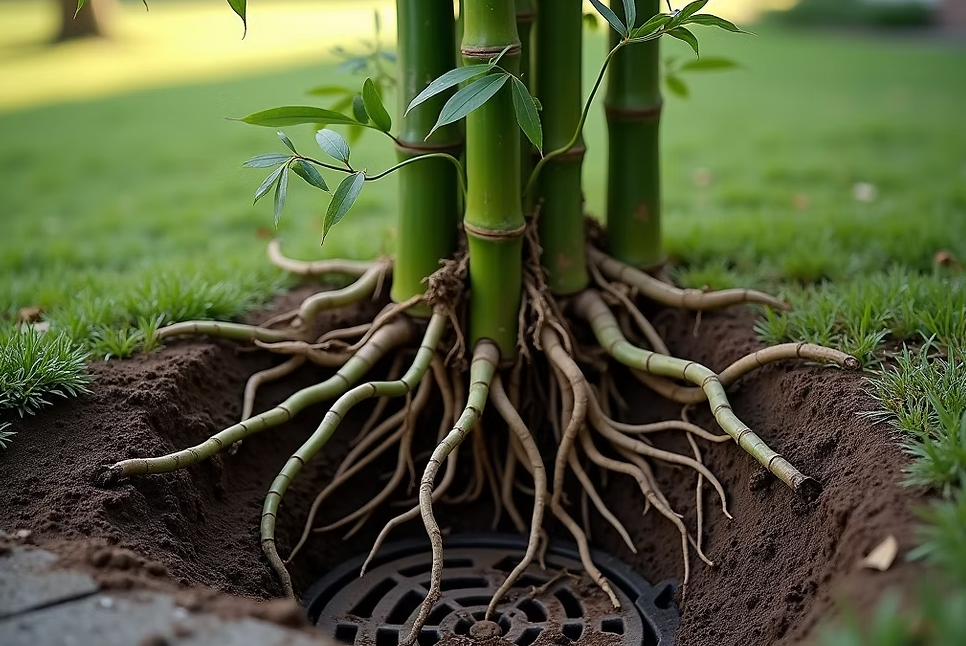
Bamboo removal often starts with a simple frustration - tall canes at the fence line, fresh shoots appearing in the lawn, and a plant that seems to come back faster every time it is cut. What catches many property owners out is that the visible growth is only part of the problem. The real issue usually sits below ground, where rhizomes can travel into borders, under paving and across boundaries if left unmanaged.
Bamboo removal often starts with a simple frustration - tall canes at the fence line, fresh shoots appearing in the lawn, and a plant that seems to come back faster every time it is cut. What catches many property owners out is that the visible growth is only part of the problem. The real issue usually sits below ground, where rhizomes can travel into borders, under paving and across boundaries if left unmanaged.
For homeowners, landlords and property managers, that changes the question from how to tidy it up to how to deal with it properly. If bamboo is spreading close to a house, outbuilding, patio or neighbouring land, a quick garden fix is rarely enough. The right approach depends on the type of bamboo, the extent of the underground network and how close it is to structures or boundary lines.
Why bamboo removal is often more difficult than expected
Bamboo can look controlled above ground while continuing to spread underneath. Running bamboo is the main concern because it sends rhizomes horizontally through the soil, producing new shoots away from the original clump. A small patch can therefore be misleading. By the time several canes are visible in different places, the underground spread may already be well established.
Clumping bamboo behaves differently and is generally less aggressive, but even that can become difficult to manage when planted too close to fences, paths or retaining walls. In both cases, cutting the canes down without dealing with the root system usually leads to regrowth.
This is where many property owners lose time and money. Repeated trimming can make the area look better for a few weeks, yet the plant remains active beneath the surface. If the spread reaches a neighbour's garden or affects hard landscaping, the issue can quickly become more than a routine maintenance job.
The first question: clumping or running bamboo?
Before any removal work starts, it helps to know what you are dealing with. Running bamboo tends to spread outward aggressively, with new shoots emerging at some distance from the main growth. Clumping bamboo stays more compact, although mature plants can still form a dense and heavy root mass.
If you are unsure which type is present, avoid assuming the problem is minor. Spread pattern matters because it shapes the treatment plan, the likely excavation area and the chance of regrowth. Where bamboo is close to a property boundary, identifying the spread accurately is especially important. A patch on your side may have already crossed underneath a fence line, or the source may sit partly on neighbouring land.
In practice, the visible canes are not enough to judge the full extent. A proper site assessment should consider beds, lawns, boundary edges, raised planters and adjacent areas where shoots may be emerging separately.
What effective bamboo removal usually involves
Proper bamboo removal is not just about clearing the top growth. It generally involves three linked stages: identifying the full spread, removing or reducing the rhizome network, and monitoring for regrowth.
The canes are normally cut back first to make the site accessible. After that, the main work is below ground. In some cases, excavation is the most reliable option because it allows the rhizomes and root mass to be physically removed. This can be labour-intensive, particularly where bamboo has spread beneath lawns, decking edges, paved areas or outbuildings.
Where full excavation is not practical, a managed treatment approach may be needed instead. That can mean staged control, repeat visits and a realistic plan for follow-up. The right method depends on access, site layout, surrounding structures and whether the infestation has crossed a boundary.
Safe disposal also matters. Simply lifting bamboo waste and moving it elsewhere on site can create another problem if rhizome fragments are left viable. Containment, handling and disposal should be planned with care, particularly on occupied residential sites.
Why DIY bamboo removal often fails
There is a reason bamboo keeps returning after weekend clearance work. Small fragments of rhizome left in the ground can regenerate, and they are easy to miss. On established infestations, the underground network may run further than expected, especially in lighter soils where spread is easier.
DIY removal also tends to focus on the most obvious area. That can leave hidden rhizomes under fences, along wall lines or beneath surface finishes. A property owner may think the issue has been solved, only to see fresh shoots appear the following season in a different part of the garden.
There is also a practical risk. Digging around service runs, foundations, patios or retaining structures without a clear plan can cause unnecessary disruption. When the site is part of an ongoing sale, purchase or tenancy matter, informal work with no documentation can make matters worse rather than better.
When bamboo becomes a property risk
Not every bamboo plant is a serious property issue, but some situations justify urgent action. If shoots are emerging near paving, drainage runs, walls, conservatories or boundary fences, the spread may already be affecting built features. Even where structural damage is limited, the cost of reinstatement after delayed action can be significant.
Boundary disputes are another common trigger. Bamboo that migrates into neighbouring land can create tension quickly, especially if it appears under shared fencing or hard landscaping. For landlords and managing agents, complaints about invasive growth can also become a maintenance and liability problem if left unresolved.
Transactions add another layer. Buyers are understandably cautious when they see uncontrolled invasive growth close to a property. Sellers benefit from being able to show that the issue has been properly assessed and addressed, rather than brushed aside as routine gardening.
Why a survey-led approach matters
For a property-linked problem, the strongest starting point is a formal site assessment. That is particularly true when the bamboo is extensive, near structures, or linked to a boundary concern. A survey-led approach gives clarity on what is present, how far it has spread and what removal method is likely to be proportionate.
Good reporting should do more than describe the plant. It should record site observations, photographs, measurements and mapping so the affected area is clear. That matters if removal works are being planned, if responsibility is disputed, or if you need a documented record for buyers, lenders, insurers or managing parties.
This is the same principle that underpins specialist invasive plant management more broadly. Fast paperwork is useful, but formal evidence is what gives property owners confidence to act decisively. Where the issue is urgent, having measured observations and a written plan can save time and prevent repeated failed attempts.
What to expect from professional bamboo removal
A professional service should begin by defining the problem properly, not by rushing straight to clearance. On a well-run site visit, the inspection should consider visible growth, likely rhizome spread, structural proximity, boundaries and access constraints. From there, the recommended solution should be practical and specific to the site.
In some cases, full removal is realistic in one phase. In others, a staged management plan is the better option because of access restrictions, buried services or the need to minimise disruption. The important point is that the advice should reflect the property, not a one-size-fits-all gardening method.
Documentation is a major part of this. Property owners facing a sale, purchase or neighbour concern need more than verbal reassurance. They need clear findings, evidence and a treatment pathway they can rely on. That is where a specialist process stands apart from ad hoc clearance work.
If bamboo is spreading on your property, act early
The earlier bamboo is assessed, the more options you usually have. Small infestations are easier to contain, excavation areas are often more limited, and the risk of spread into neighbouring land is lower. Delay gives the rhizomes more time to travel and makes the eventual removal work more disruptive.
If you are seeing new shoots away from the main plant, growth at a fence line, or repeated regrowth after cutting back, treat that as a warning sign rather than a nuisance. A proper inspection can tell you whether the problem is localised or already established beneath the surface.
For property owners in London and the south of England dealing with invasive plant concerns, Japanese Knotweed Group Ltd works on that principle - identify the issue clearly, document it properly, and move quickly to a structured treatment plan. When bamboo is affecting your land, your boundary or your peace of mind, the right next step is not more guesswork. It is getting a clear view of the spread before the problem grows further.
Bamboo removal FAQ
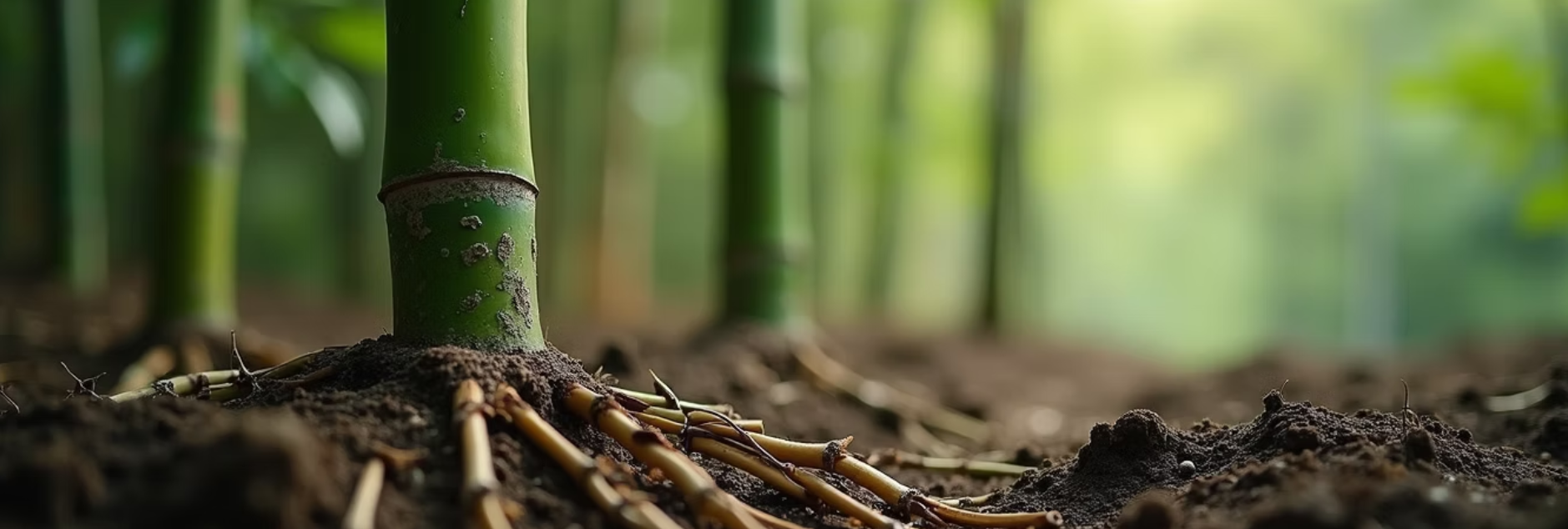
Bamboo rarely stays where it is planted. For property owners, what starts as a privacy screen can turn into lifted paving, damaged boundaries and awkward conversations with neighbours. This Bamboo Removal FAQ for Property Owners answers the questions that matter most when you need clear, practical next steps rather than gardening tips.
Bamboo rarely stays where it is planted. For property owners, what starts as a privacy screen can turn into lifted paving, damaged boundaries and awkward conversations with neighbours. This Bamboo Removal FAQ for Property Owners answers the questions that matter most when you need clear, practical next steps rather than gardening tips.
What makes bamboo such a problem on residential property?
The issue is not simply fast growth above ground. Running bamboo spreads through underground rhizomes that can travel beyond the original planting area and emerge in lawns, borders, neighbouring gardens and along fence lines. Once established, it can be difficult to control without a proper plan.
For owners preparing to sell, let a property, or resolve a boundary concern, bamboo becomes more than a maintenance issue. It can affect presentation, raise questions during viewings and create disputes if it has spread beyond your land. That is why formal inspection and measured site evidence matter.
Bamboo Removal FAQ for Property Owners: common questions
Can bamboo damage structures?
It can, depending on the species, the extent of spread and what sits nearby. Bamboo is not identical to Japanese knotweed, but strong rhizomes can exploit weak points around patios, paths, edging, drains and lightweight boundary features. The greatest risk is usually to hard landscaping and garden structures rather than the main house itself, but that does not mean it should be ignored.
If bamboo is close to retaining walls, outbuildings, neighbouring fences or paved areas, a site inspection helps establish how far the rhizomes have moved and what may already be affected.
Is cutting it back enough?
Usually not. Cutting can reduce visible growth, but it rarely removes the underground rhizome network. In some cases, repeated cutting forms part of a management plan, but on its own it is seldom a reliable solution for established infestations. If you only remove the canes, the bamboo often returns.
Can I remove bamboo myself?
Small clumps can sometimes be tackled by a determined owner, but established running bamboo is another matter. Removal often involves tracing rhizomes across beds, lawns, boundary lines and concealed areas, then excavating and safely disposing of the material. If the spread crosses into neighbouring land or sits near structures, a DIY approach can leave enough rhizome behind for regrowth.
That is where specialist surveying becomes valuable. A documented inspection shows what is visible, what is measurable and what level of remediation is realistic.
Do I need a survey before removal?
If the infestation is significant, close to boundaries, or likely to affect a sale or dispute, yes. A proper survey creates a record of extent, location and site conditions. That is particularly useful where owners need evidence, not guesswork.
A professional report should do more than say bamboo is present. It should record measurements, mapped areas, photographs and observations on gardens, beds, boundary lines and adjacent fence lines so the next step is based on evidence.
What is the best way to remove bamboo?
It depends on the spread and the site. In some cases, excavation is the fastest route, especially where immediate clearance is needed. In others, phased treatment and monitoring may be more appropriate if access is limited or the rhizomes extend into sensitive areas.
The trade-off is simple. Fast excavation can be disruptive and may require reinstatement works. Slower management can reduce upheaval, but it needs structure, monitoring and patience. The right choice depends on risk, budget and how quickly the site needs to be made presentable or transaction-ready.
How should bamboo waste be disposed of?
Carefully. Cut canes, rhizomes and contaminated soil should not simply be moved to another corner of the garden. Improper handling can spread the problem on site or beyond it. Disposal should be planned as part of the removal process, especially for larger infestations where there is a clear volume of waste and potential liability.
Will bamboo come back after removal?
It can if any viable rhizome remains in the ground. That is why one-off clearance without follow-up is risky. Property owners are usually better served by a documented plan with defined treatment stages and ongoing monitoring where needed.
What if the bamboo has spread from or into a neighbouring property?
This is where clear records matter most. Boundary issues quickly become stressful when nobody can show where the planting started or how far it has travelled. A measured survey with photographs and mapping can help establish the visible extent at the time of inspection and support a more constructive conversation between neighbours.
When should a property owner call a specialist?
Call a specialist when bamboo is spreading beyond the original planting area, appearing near hard surfaces or boundaries, affecting a sale, or creating concern with neighbours or tenants. The same applies if you have tried cutting it back and it keeps returning.
For owners who need certainty, the value is not only in removal. It is in having a formal report, prompt paperwork and a treatment route that protects the property over time. That is the difference between ad hoc garden work and risk-managed remediation.
What should you expect from a professional bamboo survey?
You should expect a site visit that looks beyond the obvious canes. A useful survey records the extent of spread, checks beds and lawn edges, examines boundary lines and notes any nearby features that may be vulnerable. Good reporting includes photographs, mapped areas and measured observations so you can make decisions with confidence.
For many property owners, especially during a sale or purchase, speed matters as much as accuracy. A fast turnaround on paperwork can help keep decisions moving and reduce uncertainty before the issue grows into a larger and more expensive problem.

Bamboo survey
A bamboo survey is rarely about gardening. It is about risk. When bamboo starts spreading near patios, drains, boundary lines or neighbouring land, the question is not whether it looks attractive - it is whether rhizomes are moving beyond where they should, and what that means for your property, a sale, or a dispute.
A bamboo survey is rarely about gardening. It is about risk. When bamboo starts spreading near patios, drains, boundary lines or neighbouring land, the question is not whether it looks attractive - it is whether rhizomes are moving beyond where they should, and what that means for your property, a sale, or a dispute.
When a Bamboo survey is worth booking
If bamboo is appearing in more than one area of a garden, pushing through edging, surfacing near a fence line or causing concern during a sale or purchase, a formal survey gives you something far more useful than opinion. It gives you measured site observations, mapped growth areas and a written record of what is present, where it is spreading and how serious the issue may be.
That matters because bamboo can be underestimated. Some clumping varieties stay relatively contained. Running bamboo is different. It can travel underground and emerge well away from the original planting point, which is where neighbour complaints, repair costs and conveyancing anxiety often begin.
What a proper bamboo survey should include
A useful Bamboo survey should inspect the full risk area, not just the visible canes. That means looking at beds, lawns, boundary edges, neighbouring fence lines and any signs of underground spread. Good reporting should include clear photographs, mapped locations and practical notes on extent, density and likely movement.
For property owners, buyers and landlords, paperwork matters almost as much as the site visit itself. A fast, formal report helps you make decisions quickly, whether that means monitoring, arranging removal or putting a structured treatment plan in place. If the problem is affecting a transaction, vague advice is not enough.
Why formal reporting matters
Where bamboo is causing concern, the real value of a survey is clarity. You need to know whether the growth is contained, whether it is crossing boundaries and what remedial action is realistic. You also need records that can be shared with solicitors, buyers, sellers or managing agents if required.
Japanese Knotweed Group Ltd approaches invasive plant issues with that same focus on documented evidence, measured observations and next-step planning. For owners in London and the south of England, that can mean moving from uncertainty to a clear plan without delay.
If you are worried about bamboo on your land, or near a boundary, the safest next step is simple: get it surveyed before it becomes a larger property problem